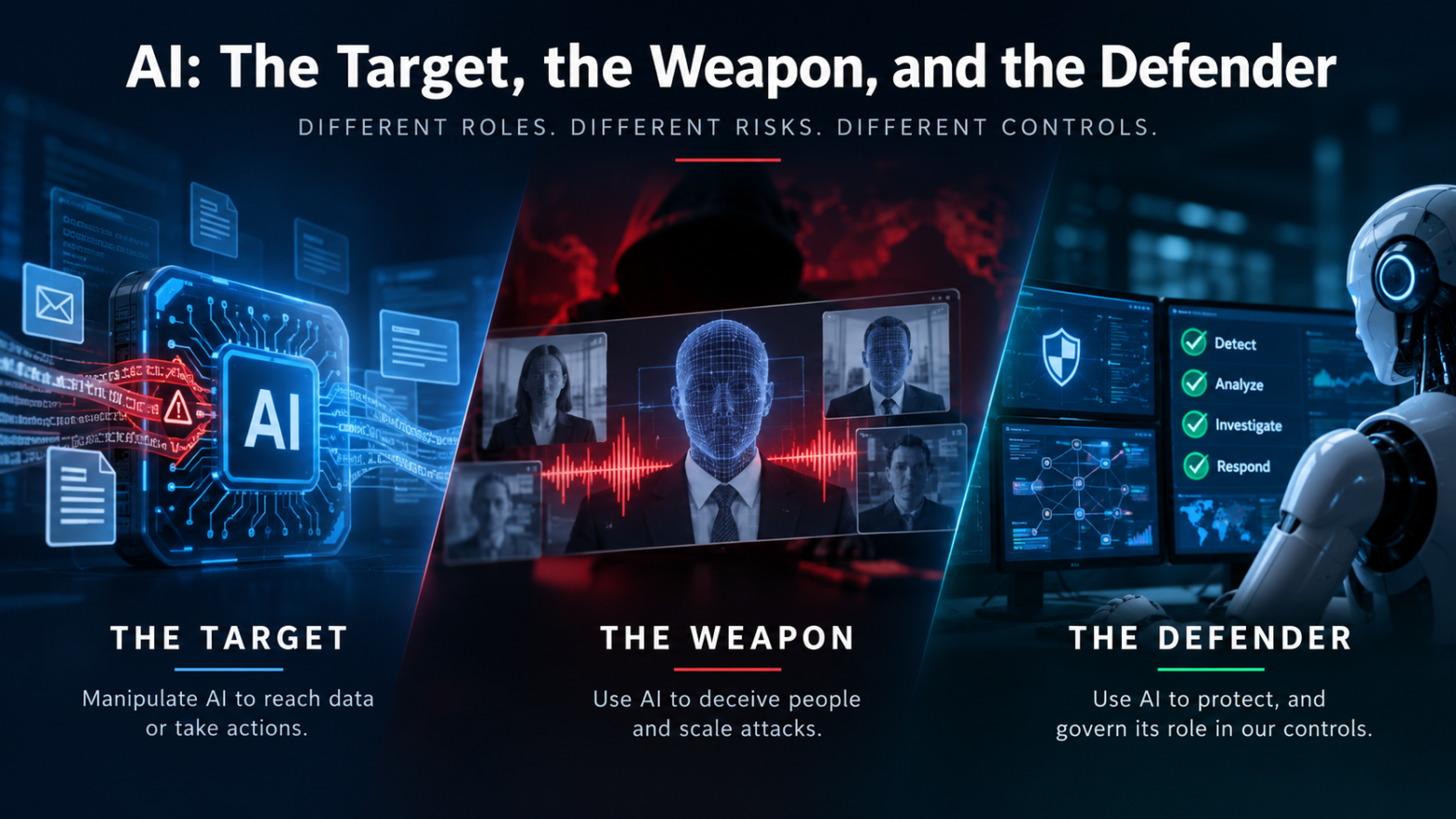
AI now plays three distinct roles in cybersecurity: the target, the weapon and the defender. Each brings different risks, different controls and different questions about accountability, and the hardest of them is governing the AI we trust to defend us.
Cybersecurity In AI and For AI: A Unified Risk Framework from IBM, OWASP, MITRE ATLAS, MIT, and NIST

The Distinction That Changes Everything Most discussions of AI and cybersecurity collapse two fundamentally different questions into one. Separating them is not a matter of semantics — it determines what you defend, how you defend it, and who is responsible. Cybersecurity In AI asks: how do we secure the AI system itself? Cybersecurity For AI… Continue reading Cybersecurity In AI and For AI: A Unified Risk Framework from IBM, OWASP, MITRE ATLAS, MIT, and NIST
Cyber Risks in AI
The risk matrix presented below serves as a structured, multi-dimensional lens through which to assess cybersecurity risks in AI systems. Each of the 67 risks is classified by risk description, threat context, mitigating controls, cyber relevance, control type (preventative or operational). It serves as a threat model and is based on IBM AI Risk Atlas Risk… Continue reading Cyber Risks in AI
Retrieval-Augmented Generation (RAG)
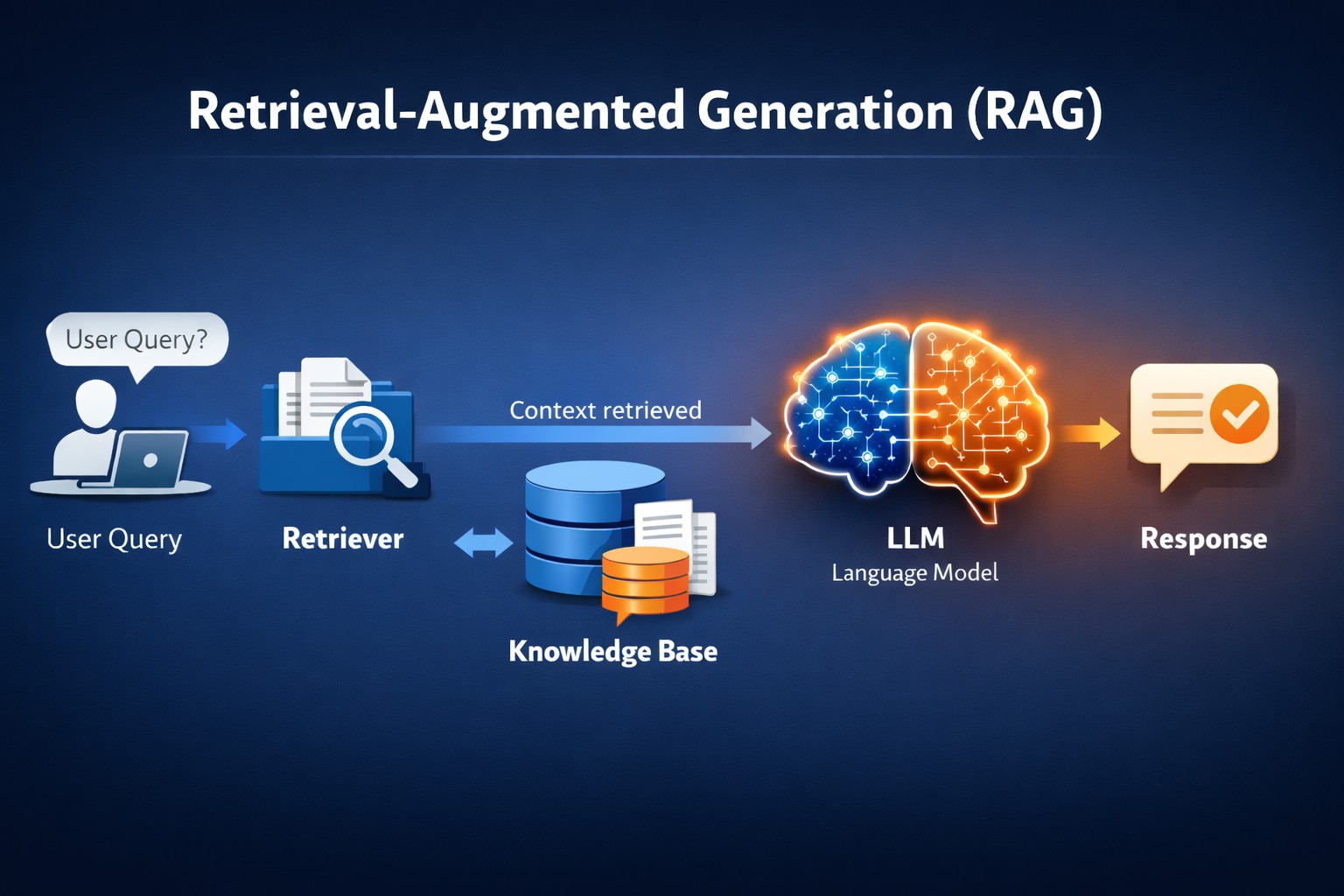
Retrieval-augmented generation (RAG) is a hybrid AI approach that combines retrieval-based methods with generative models to improve the quality and accuracy of generated content. This approach benefits tasks requiring factual accuracy and natural language generation, such as question-answering, summarization, or generating content based on specific knowledge. How RAG Works: RAG integrates two core components: Retrieval… Continue reading Retrieval-Augmented Generation (RAG)
Cybersecurity Risks in AI Lifecycle
Aligning AI risks with LLMOps stages involves identifying where specific risks are most likely to arise and ensuring that each phase has appropriate controls to mitigate these risks. AI risks can indeed occur in multiple stages or phases, as many risks are pervasive and can impact different aspects of the AI lifecycle. 1. Model Development… Continue reading Cybersecurity Risks in AI Lifecycle